Pea gravel calculator for West Virginia
Estimate 3/8 inch rounded stone by the ton for patios, walkways, fire pits and play areas.
Enter your project dimensions
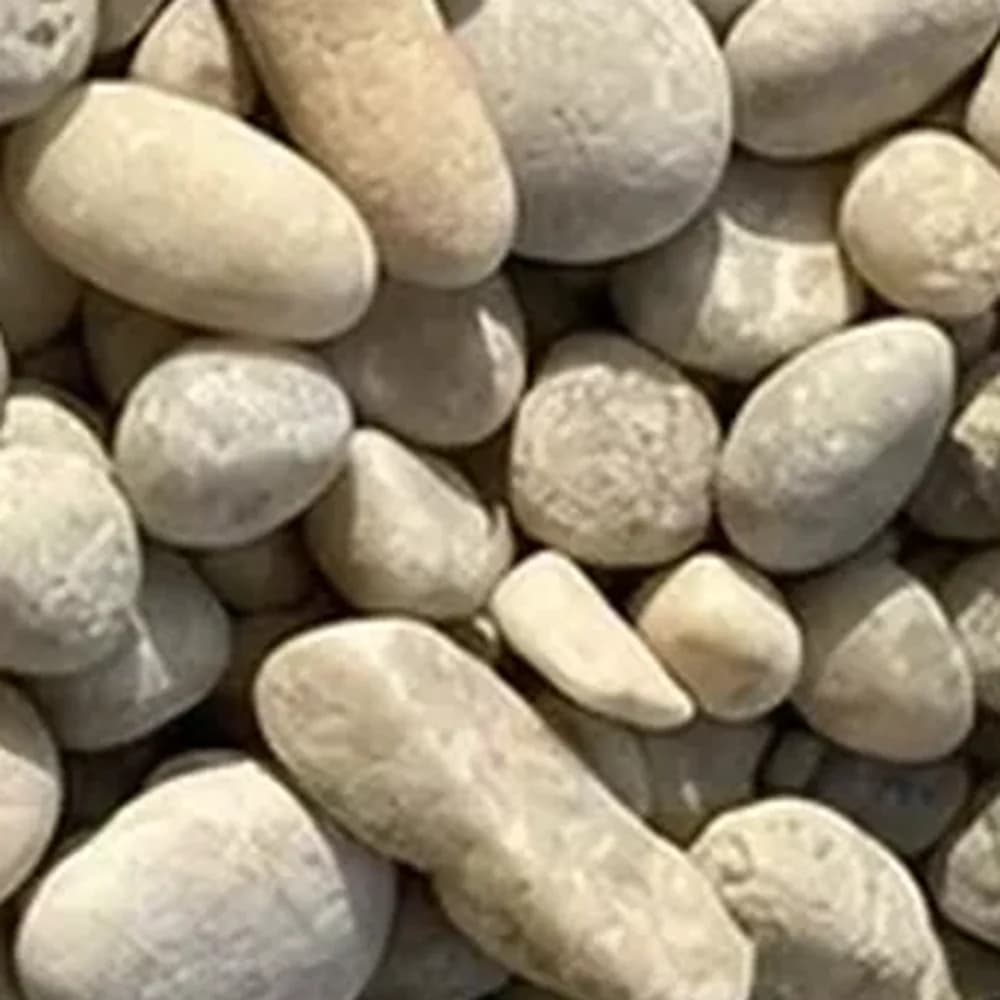
Made of 3/8 inch rounded stone, pea gravel is roughly the size its name suggests. Its comfortable feel does not make it light: it weighs 2,800 lb per cubic yard, or 1.4 tons, equal to crushed gravel. Set the depth carefully. With less than 2 inches, the ground can appear through the stone. More than 3 inches makes footsteps sink as they would in dry beach sand. This calculator converts your measurements into tons and provides set depths for the two applications outside the 2 to 3 inch range: play areas and nothing else.
Turn measurements into tons
- Find the area by multiplying length and width, or use the diameter when measuring a round fire-pit surround.
- For surfaces people walk on, use 2 to 3 inches; playground fall zones need 9 to 12 inches kept in place.
- Divide cubic feet by 27 for cubic yards, then multiply yards by 1.4 for tons.
Coverage guide
| Depth | 1 cubic yard covers | 1 ton covers |
|---|---|---|
| 2 inches | 162 sq ft | ≈ 116 sq ft |
| 3 inches | 108 sq ft | ≈ 77 sq ft |
| 4 inches | 81 sq ft | ≈ 58 sq ft |
| 12 inches, play area | 27 sq ft | ≈ 19 sq ft |
| Project | Typical size | Depth | Volume | Weight |
|---|---|---|---|---|
| Patio / seating area | 12 x 12 ft | 3" | 1.3 yd³ | 1.9 tons |
| Garden walkway | 25 x 3 ft | 2.5" | 0.6 yd³ | 0.8 tons |
| Fire-pit surround | 12 ft round | 3" | 1 yd³ | 1.5 tons |
| Playground fall zone | 20 x 20 ft | 12" | 14.8 yd³ | 20.7 tons |
| Dog run | 15 x 8 ft | 3" | 1.1 yd³ | 1.6 tons |
A solid edge matters
The rounded pieces in pea gravel can shift, especially where a border is absent or has settled below the surface. Keep the gravel contained with steel, aluminum, timber or paver edging installed an inch above the finished level. A flush border lets stones escape over time. On grades greater than about 5%, runoff and foot traffic can carry the gravel downhill despite the edging. For hillside areas, install a honeycomb stabilizing grid beneath the stone, or use angular crushed stone that locks together.
Pea gravel compared with crushed gravel and river rock
Pea gravel is comfortable under bare feet and easy to move around. Crushed walkway gravel has sharper edges, but its angular shape holds together better on slopes. Larger river rock is decorative and generally belongs in planting beds, not walking areas. Cost usually follows that progression. A yard can combine them: crushed gravel on a sloping side path, pea gravel at the fire pit, and river rock beside a foundation. The calculators here let you compare tonnage for an identical footprint in about a minute.
Project planning notes
- Patios need a 2 inch compacted screenings layer below to help prevent chair legs from dropping in, followed by 2 to 3 inches of pea gravel.
- Play areas require a maintained 9 to 12 inch depth under the standard fall-zone specification. Review the equipment manual. At 12 inches, a ton reaches only about 19 square feet, so calculate the amount instead of judging it by sight.
- Fire pits: use 3 inches. This non-flammable stone lets rainwater drain from the seating area overnight.
- Dog runs: apply 2 to 3 inches. The rounded stone is gentle on paws and washes clean with rinsing.
- Walkways: level the surface with a rake twice yearly, then refresh the traffic line every couple of seasons using a bucket or two held back for repairs.
Example calculation: a 12-foot fire-pit circle
For a 12-foot diameter circle, the area is 113 square feet. At 3 inches: 113 x 0.25 = 28 cubic feet = 1.05 cubic yards, which is slightly below 1.5 tons. Order 1.5 and save the small extra amount for the high-traffic side next spring.
Pea gravel measurements and weight
What quantity of pea gravel is needed?
What area will a ton of pea gravel cover?
What does a yard of pea gravel weigh?
What is the cost of pea gravel?
What exactly is pea gravel?
What depth is right for a pea gravel patio?
How deep should pea gravel go below a swing set?
For a walkway, pea gravel or crushed gravel?
Other calculators
Most patios require under two tons.
3/8 inch natural pea gravel, sold by the ton with free delivery.