Railroad Ballast in West Virginia
After West Virginia rain, Railroad Ballast suits the support layer beneath rail work or loaded pads where hillside seepage reaches the ground.
- Size: Roughly 1 inch to 2.5 inches
- Grading: Graded to interlock under load while draining freely
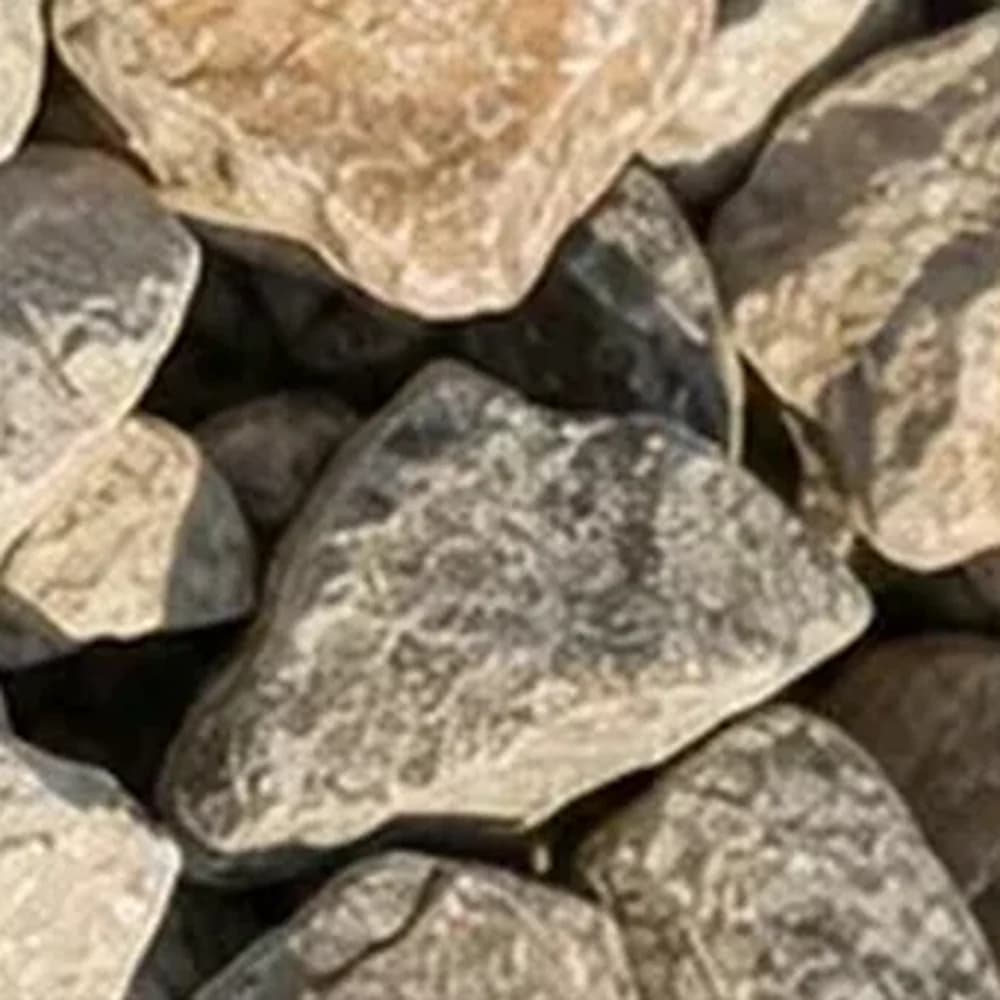
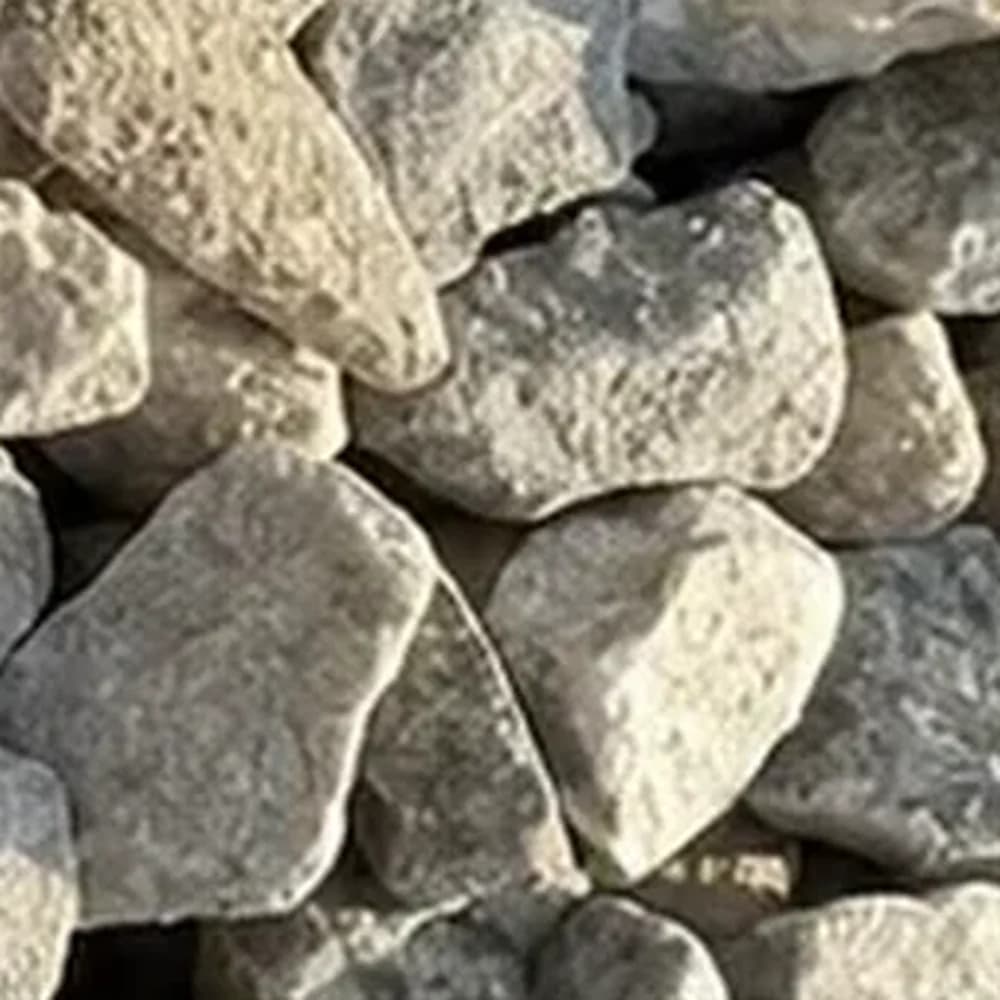
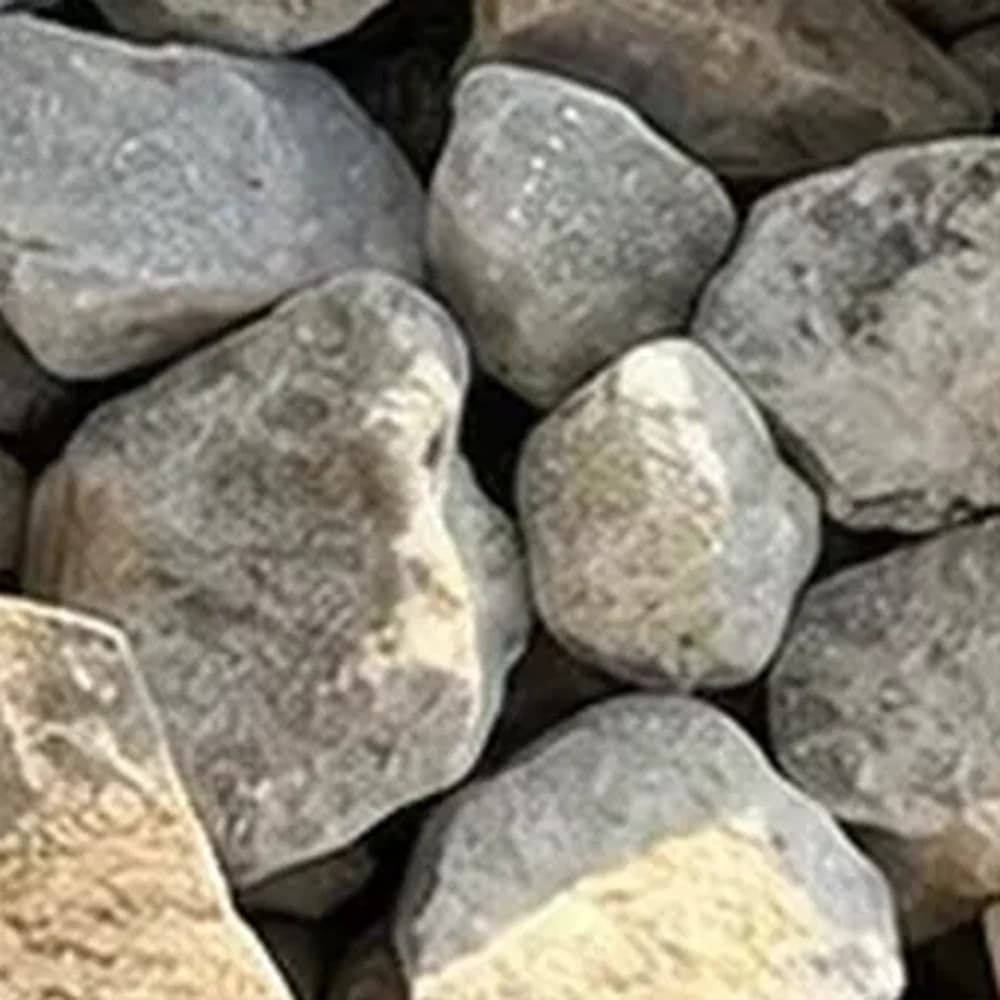
- Type: Large angular crushed stone
From $425.00 for 1 ton, delivery included
Larger loads cost less per ton: 500 tons is $26,535.00 ($53.07 per ton). Pick any quantity below for a delivered price.
Free delivery included
Free delivery anywhere in West Virginia
Pick a delivery date
Weekday delivery, earliest Sep 28
“We run a small equipment rental yard outside War, tucked into a narrow hollow, and the lot used to turn into a skating rink of mud every time it thawed. Decided to try railroad ballast instead of the crusher run we'd used for years, and ordered eighteen tons to redo the whole yard where the excavators and skid steers sit. The tandem made two trips since the lot is long, and the driver spread it in strips so we could roll it in sections without shutting the yard down. Half a year in, through a rough winter, the equipment doesn't sink and the drainage is night and day.”
Valerie J. · Verified Buyer
Get a Free Quote
Fill out the form and our sales team will get back to you within the hour.
Everything You Need to Know About Railroad Ballast
Size and Grading
- Size
- Roughly 1 inch to 2.5 inches
- Grading
- Graded to interlock under load while draining freely
- Type
- Large angular crushed stone
Rain can bring hillside springs and seepage into the ground around a West Virginia driveway or work area. Railroad Ballast fits in the supporting portion beneath rail track and heavy pads, where its angular stone contacts adjacent pieces under load and remains open for drainage. It is a better match for that buried load-bearing role than for a travel surface meant to finish tight.
On a hollow driveway built on grade, catch seepage above the drive and carry it across in a pipe before it reaches the stone course. That work matters in shale slopes and steep ground, where base stone alone cannot control water coming from uphill. Railroad Ballast can then provide the open foundation below the traveled area. Use a finer compactable base material above it if the final course needs a smoother, firmer finish.
Quickly Calculate How Much You Need
Material: Railroad Ballast
How to Measure
Measure the length and width of your project area in feet
Decide on depth in inches (2" for landscaping, 4" for driveways)
Enter the values above and we'll calculate the tonnage you need
Need help figuring out the right amount? We can help!
Call or text us at our contact form and we'll help you calculate the right quantity for your project.
Not sure how much you need? The Stone Calculator has depth guides, coverage charts and worked examples for this material.
Common Uses
Rail Base
Keeps the ties steady while water leaves the rail structure.
Equipment Pads
Provides a firm surface for cranes, containers, and industrial work.
Industrial Roadways
Handles regular use by heavy trucks and equipment.
Wide-Area Drainage
Angled stone lets water move through under weight.
Why Choose Railroad Ballast
Weight Support
Made to handle extreme weight.
Rapid Drainage
Spaces in the angular stone let water out quickly.
Holds Together
The stone resists displacement from vehicle use.
Durable Stone
Hard stone resists wear over time.
Customer Reviews
Sharp pieces but dries out fast
Feeding area for the cattle outside Capon Bridge turns into a mess every winter once the ground softens up. Put down eight tons of railroad ballast from West Virginia Rock Supply around the hay rings and it drains better than anything we've tried, though a few pieces were sharp enough to watch for around bare feet and hooves both. Worth it for how fast it dries out after rain.
Miles A. · Capon Bridge, WV · Verified Buyer
Finally a road that doesn't sink
Our bottomland road out to the back fields near Slanesville stays wet nearly year round from a high water table, and regular gravel just disappeared into the mud within a season. Switched to railroad ballast this time, fourteen tons, and it drains fast enough that the equipment doesn't sink even after a week of rain. Best money we've spent on that road in years.
Tracey W. · Slanesville, WV · Verified Buyer
Should have switched years ago
Tried regular gravel for the feeding area behind the barn outside Gilbert for two years running and it kept disappearing into the mud by February. Six tons of railroad ballast from West Virginia Rock Supply this fall was a completely different story, drains almost as fast as it rains and the cattle aren't standing in slop anymore. Should have switched years ago.
Robin E. · Gilbert, WV · Verified Buyer
Equipment lot survives freeze and thaw
We run a small equipment rental yard outside War, tucked into a narrow hollow, and the lot used to turn into a skating rink of mud every time it thawed. Decided to try railroad ballast instead of the crusher run we'd used for years, and ordered eighteen tons to redo the whole yard where the excavators and skid steers sit. The tandem made two trips since the lot is long, and the driver spread it in strips so we could roll it in sections without shutting the yard down. Half a year in, through a rough winter, the equipment doesn't sink and the drainage is night and day.
Valerie J. · War, WV · Verified Buyer
Railroad Ballast has 4 verified customer reviews with an average rating of 4.8 out of 5.